
The 100 Million Pound Levy Reshaping UK Gambling's Safety Net
 Available in GB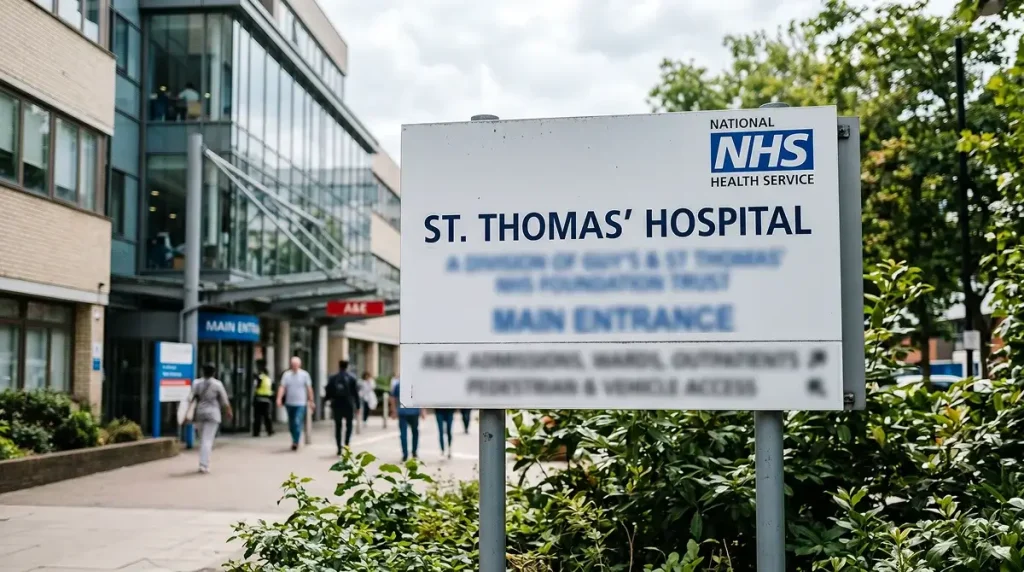
For years, gambling harm treatment and research in the UK depended on voluntary industry contributions. Operators donated what they chose, when they chose, to whichever organisations they preferred. The results were predictable: chronic underfunding, fragmented services, and an uncomfortable dynamic where the organisations studying gambling harm relied on the goodwill of the companies producing it. The statutory gambling levy that took effect on 6 April 2025 replaced that model with something the sector had resisted for over a decade – a mandatory, non-negotiable financial obligation.
The levy is expected to raise approximately 100 million pounds annually. For context, the previous voluntary system generated roughly 60 million in its best year, with significant year-to-year variation depending on industry profitability and corporate priorities. A guaranteed 100 million, collected by force of law, transforms the funding landscape for gambling harm services in Britain.
See also: UK Gambling Market Size 2025 with relevant background information.
50/30/20 – Treatment, Prevention, and Research Allocation
The allocation formula was one of the most debated aspects of the levy’s design, and I followed those discussions closely. The final split: 50% to treatment, 30% to prevention, 20% to research.
The treatment share – 50 million pounds annually – flows to the NHS. This funds specialist gambling disorder clinics, training for healthcare professionals to identify gambling harm, and integration of gambling treatment into the broader mental health service infrastructure. Before the levy, gambling treatment was a patchwork of charity-funded clinics and GamCare-operated services. The NHS had acknowledged gambling disorder as a clinical condition but lacked dedicated, scalable funding to treat it. That gap is now being filled, though building clinical capacity takes years even with money available.
Prevention receives 30 million pounds, directed toward public health campaigns, educational programmes, and early intervention services. This includes work with schools and universities, where student gambling has become a documented concern – 65% of UK students gambled in the past year according to the 2026 Ygam/GamStop survey, with 18% classified as problem gamblers. Prevention funding also covers community-level support, workplace awareness programmes, and digital tools designed to identify at-risk behaviour before it escalates into clinical harm.
The remaining 20% – 20 million pounds – goes to UK Research and Innovation for academic research into gambling harm, treatment efficacy, and market dynamics. This is the allocation that excites me most professionally. Independent, publicly funded research has always been the weakest link in the UK’s gambling evidence base. Industry-funded studies carry inherent conflicts of interest; charity-funded studies compete for limited grants. A dedicated, statutory funding stream for gambling research has the potential to produce evidence that is both higher quality and more trusted by policymakers.
Why Offshore Operators Don’t Contribute to the Levy
The statutory levy applies to operators licensed by the UKGC. That’s the jurisdictional boundary, and it’s absolute. A casino licensed in Curaçao, Malta, or Gibraltar and serving UK players without a UKGC licence has no legal obligation to contribute. The levy is an instrument of UK regulation, and it reaches only the operators that UK regulation covers.
This creates an irony that I find difficult to ignore. The levy exists because gambling causes harm. Offshore casinos cause harm – arguably more harm per player, given the absence of responsible gambling interventions, stake limits, and self-exclusion mechanisms. Yet the operators whose players may be most in need of treatment and support services contribute nothing to funding those services. Every pound spent treating a patient whose gambling harm originated at an offshore casino is a pound funded entirely by levies on licensed operators whose regulatory framework was designed to prevent that harm in the first place.
The Remote Gaming Duty increase to 40% compounds this dynamic. Licensed operators face both a higher tax burden and a mandatory levy – the combined cost of regulation, taxation, and the levy narrows margins to a point where some operators have publicly questioned viability. Offshore operators face none of these costs. The economic incentive to operate outside the UK licensing system grows with every additional obligation placed on those inside it. The full analysis of the 40% RGD and its market effects maps this dynamic in detail.
What the Levy Means for Services Available to UK Players
For anyone experiencing gambling harm – whether their gambling occurs at UKGC sites, offshore casinos, or both – the levy’s impact will be felt through expanded services over the coming years.
GamCare, which operates the National Gambling Helpline, made 996 treatment referrals in January 2026 alone – a 48% increase over the 674 referrals in January 2025. The helpline received 105,765 contacts across 2025. These numbers represent demand that existed before the levy, but the levy provides the infrastructure funding to meet that demand at scale rather than through the rationed capacity of a charity-funded model.
The NHS gambling disorder clinics – currently concentrated in London, Leeds, and a handful of other cities – are expected to expand their geographic coverage using levy funding. For a player in Cornwall or rural Scotland, access to specialist treatment has historically meant either travelling hundreds of miles or relying on telephone and online support. A properly funded clinic network changes that equation.
The critical point for players at non-GamStop casinos: these services are available to you regardless of where your gambling occurs. GamCare doesn’t ask which operator you used. The NHS doesn’t check your licence status. The levy funds services for anyone affected by gambling harm in Great Britain, whether that harm originated at a UKGC-licensed site, an offshore casino, or a high-street betting shop. The system is funded by licensed operators, but the benefits extend to everyone who needs them.
See also: online casinos not on gamstop for the latest on the UK gambling levy.