
How Pirated Sports Streams Became a Pipeline to Offshore Casinos
 Available in GB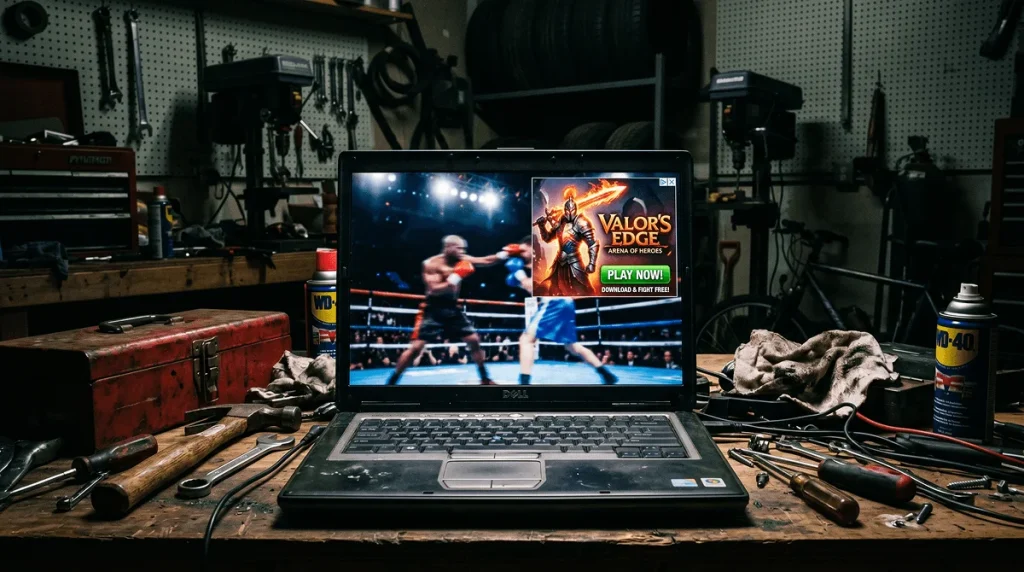
I first noticed the pattern in 2023, while monitoring how offshore casinos acquire UK customers. Paid search, affiliate sites, social media – all the usual channels. But one source kept appearing in operator analytics that I hadn’t expected: pirated sports streams. Viewers tuning into illegal broadcasts of Premier League matches, Champions League fixtures, and boxing events were being served a steady diet of offshore casino advertising. By the time the data caught up with the observation, the numbers were staggering.
This isn’t a niche problem affecting a handful of tech-savvy viewers. British audiences consumed 4.7 billion illegal stream views in the period covering 2024 through the first half of 2025. And 89% of those streams carried advertising for unlicensed gambling operators. The pirated sports ecosystem has become one of the most effective customer acquisition channels in the offshore gambling industry – unregulated, untaxed, and operating at a scale that no legitimate marketing budget can match.
See also: UKGC Enforcement Actions for more details on this topic.
4.7 Billion Illegal Views and 89% Carrying Gambling Ads
The research, conducted by Gaming Compliance International through their Yield Sec monitoring platform, tracked illegal stream content across the UK market. The headline numbers – 4.7 billion views and 89% gambling ad penetration – translate into billions of individual ad impressions for offshore casinos, delivered to an audience that skews young, male, and sports-engaged. Exactly the demographic that offshore operators want to reach.
The advertising isn’t subtle. Overlay banners, mid-stream pop-ups, pre-roll videos, and branded stream interfaces all push viewers toward offshore betting and casino sites. Some streams are effectively sponsored by offshore operators – the gambling brand’s logo appears as a watermark throughout the broadcast. The operator pays the stream provider for placement, and the stream provider delivers an audience that has already demonstrated willingness to use unlicensed services by choosing to watch pirated content in the first place.
The Campaign for Fairer Gambling, drawing on the same Yield Sec data, estimates that illegal operators control roughly 9% of the UK online gambling market, extracting 379 million pounds in the first half of 2025. Pirated streams represent a significant – and growing – share of how that 9% is acquired. The Betting and Gaming Council’s broader estimate of 1.5 million Britons staking up to 4.3 billion pounds annually on unregulated sites includes many who found their first offshore operator through exactly this pipeline.
Why Clicking a Stream Ad Is Riskier Than Searching for a Casino
There’s an important distinction between a player who actively researches non-GamStop casinos and one who clicks an ad on a pirated football stream. The researcher has at least the opportunity to check licences, read reviews, and assess terms before depositing. The stream clicker is being funnelled toward a specific operator chosen not for quality or legitimacy but for willingness to pay for advertising on an illegal platform.
Think about what kind of operator advertises on pirated streams. A well-regulated, MGA-licensed casino with a reputation to protect doesn’t risk the association. The operators who dominate stream advertising are precisely the ones with the least to lose – newly launched sites, operators with questionable licensing, and outright fraudulent operations that exist only to collect deposits. The advertising channel self-selects for the bottom of the market.
The viewer is also psychologically primed for impulsive action. They’re watching live sport, the adrenaline of the match is running, and an ad appears offering “instant” betting on the outcome they’re emotionally invested in. The path from ad to deposit is designed to take seconds, not minutes. No cooling-off period, no KYC process, no responsible gambling intervention. The player goes from watching a goal to placing a bet at an unlicensed operator faster than GamStop could even load its registration page.
For self-excluded players – the ones GamStop was specifically designed to protect – pirated stream ads are particularly dangerous. These are people who have formally acknowledged a problem with gambling and taken steps to exclude themselves from the licensed market. An offshore casino ad appearing during a football stream they’re watching doesn’t just offer gambling – it actively circumvents the protection mechanism they chose to activate.
The Enforcement Response to Stream-Based Gambling Promotion
The UKGC’s enforcement apparatus is increasingly focused on the stream-to-casino pipeline, though the challenges are significant. The Commission’s core tools – URL delisting, cease-and-desist orders, and coordination with search engines – are designed for website-based discovery. Pirated streams operate through different infrastructure: IPTV services, social media platforms, encrypted messaging groups, and constantly rotating domain names.
The 26 million pounds in additional enforcement funding allocated over three years from the 2025 Autumn Budget is partly directed at this problem. The Illegal Gambling Taskforce coordinates with Premier League anti-piracy teams, broadcasting rights holders, and ISPs to disrupt stream distribution. But the scale is daunting. Taking down a pirated stream address today means a new one appears tomorrow, often promoted through the same social media channels and messaging groups.
International cooperation adds another dimension. The European regulators’ coalition – seven authorities including the UKGC coordinating enforcement through a 2025 Memorandum of Understanding – could target the operators themselves rather than just the streams that advertise them. If the operator paying for stream advertising can be identified and sanctioned across multiple jurisdictions simultaneously, the economic incentive to use this channel diminishes. But enforcement against operators based in permissive jurisdictions remains structurally difficult, regardless of how many regulators coordinate.
The uncomfortable reality is that pirated sports streaming and offshore gambling advertising have a symbiotic relationship: each makes the other more profitable. Streams generate revenue from gambling ads, and operators acquire customers at a cost that legitimate marketing channels can’t match. Breaking that cycle requires disrupting both sides simultaneously – and neither side is easy to reach through conventional regulatory tools. A detailed look at how the UKGC’s broader enforcement campaign operates, including its URL takedown and cease-and-desist programmes, is covered in the full analysis of UKGC enforcement actions.
See also: online casinos not on gamstop and stay informed about offshore advertising.